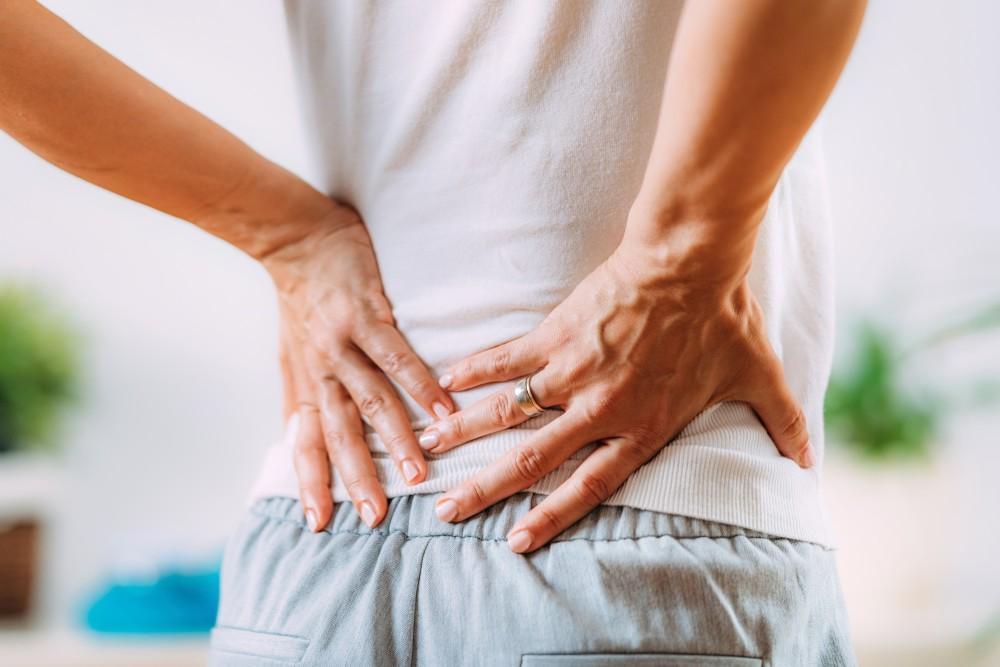
Sciatica occurs when your sciatic nerve is compressed. It may feel like a painful bolt out of the blue, an ongoing backache, radiating leg pain, or tingling sensations through your buttocks and leg. It’s important to get an accurate diagnosis to receive the best treatment.
Kevin Elaahi, MD, Benjamin Kim, MD, and our team can diagnose and manage your sciatica through a range of non-operative treatments at Interventional Pain Consultants in Parsippany, Montclair, and Landing, New Jersey. Is your back pain really sciatica? Read on to find out.
Recognizing sciatica symptoms
About 40% of people worldwide suffer from sciatica at some point in their lives, a very common condition that accounts for about 10% of all lower back pain cases.
Sciatica usually affects only one side of the body at a time. When managed properly and promptly, you may find complete relief and even prevent future attacks. Common sciatica symptoms include:
- Ongoing lower back pain
- Tingling down the leg
- Numbness or burning
- Sporadic muscle spasms
During an attack, you may also find it difficult to move the affected leg. Our team gets to the source of your symptoms and creates an individualized treatment plan to provide relief.
What causes sciatica?
We look to your past to understand your present state of health. Aging often contributes to a breakdown of your spinal discs and joints, which may lead to sciatica; in fact, spinal stenosis and herniated discs are two of the most common underlying causes of sciatic nerve irritation and/or compression.
Other potential triggers include:
- Excess body weight stressing your lower back
- Weakened core muscles (e.g., less support for your back)
- Sitting for long periods of time without stretching or moving
- Past or present back injury and/or spinal trauma
- Diabetes-related nerve damage that affects your back
We uncover the cause, or causes, behind your symptoms to find effective interventions.
Suspect sciatica? It’s time to act
If you suspect sciatica, it’s important to seek treatment sooner rather than later. The longer you wait, the greater the possibility your sciatica could lead to permanent nerve damage.
Dr. Elaahi and Dr. Kim also recommend these tips to help you manage sciatica — or avoid the problem entirely:
- Bend your knees when lifting heavy objects
- Maintain good posture (both sitting and standing)
- Use an ergonomically correct positioning at your desk
- Move regularly throughout the day; don’t sit too long
- Apply ice to ease spasms, followed by heat to improve blood flow
- Lose weight as needed to ease weight-related nerve strain
- Learn stretches, such as the cat pose, to ease nerve pressure
Our team also offers a range of interventional treatments to ease sciatica.
Keep your sciatica pain at bay
After diagnosing your condition via exams and other tests, our pain management specialists may suggest one or more of the following treatments:
Lumbar radiofrequency ablation
Radiofrequency ablation uses heat to destroy a tiny area of the nerve, stopping it from communicating pain to your brain.
Lumbar epidural steroid injections
An epidural steroid injection delivers corticosteroid anti-inflammatory medicine around the spinal nerves in your lower back to relieve sciatica pain.
Medial branch nerve blocks
By injecting small amounts of local anesthetic near the irritated sciatic nerve root, a nerve block interrupts pain signals, stopping them from reaching your brain.
Facet joint injections
These injections lower inflammation in the facet joint tissue between your vertebrae.
Trigger point injections
Trigger point injections help relax pent-up muscle knots in your lower back and buttocks to relieve sciatic nerve compression.
Our team may also recommend spinal cord stimulation to stop pain via electrical impulses, or regenerative medicine to help repair and reduce pain from sciatica and other issues.
Get your life back today
The sciatic nerve plays a major role in helping you move and feel sensations in your legs and feet. Should you experience other problems along with back pain, such as loss of bowel or bladder control, or extensive pain following an injury, it may indicate a more serious problem that should be addressed right away.
Our experienced team offers numerous non-surgical treatments to alleviate your symptoms and help you get back to your active life: Schedule a visit at Interventional Pain Consultants in Parsippany, Montclair, or Landing, New Jersey, today.